

Whoa! This topic has layers. The short version: MEV can quietly eat returns and wreck UX. My instinct said it was all about bots and greedy miners, but actually it’s much messier—sandwiches, priority gas auctions, miner collusion, private-relay games. Here’s the thing. You need both strategy and tooling to survive and thrive.
Start with a clear mental model. MEV (maximal extractable value) is any profit a third party captures by reordering, inserting, or censoring transactions. Sounds abstract. In practice you’ll see front-running, back-running, sandwiching, and subtle liquidity-draining reorderings. These aren’t just edge cases. They matter for high-frequency trades, NFT mints, and collateral management alike. Hmm… somethin’ about thinking of transactions as little packets of economic intent helps: packets get rerouted, delayed, or inspected—sometimes profitably manipulated.
Assessing risk first. Short checklist: what value is at stake, how time-sensitive is the tx, how public is your intent, and what’s the attack surface? If you’re swapping a tiny amount on a deep pool, meh—low risk. If you’re executing a leveraged liquidation or minting a high-demand NFT, the risk spikes. On one hand you can blithely rely on base-level protections; on the other hand, sophisticated attackers will sniff and exploit even slight timing or slippage windows. Initially I thought simple slippage controls were enough, but then I realized—reordering attacks can bypass naive protections.
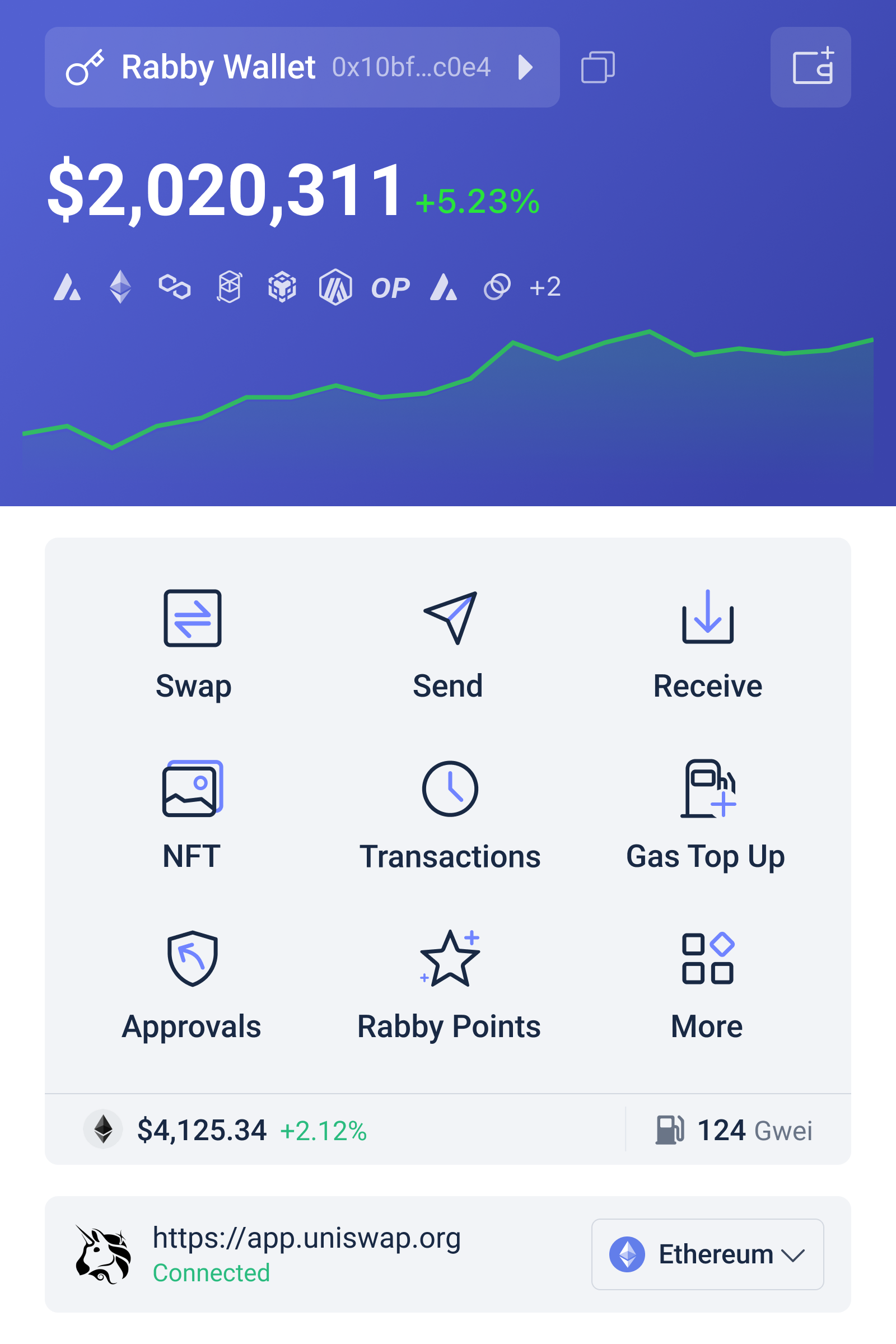
Simulation. Use transaction simulation before you sign. Seriously? Yes. Simulators let you preview state changes, estimate liveness, and detect reverts or sandwich vulnerability. Tools that simulate on-chain execution are invaluable. They expose how a front-run might change output price or gas cost. I’m biased, but wallets that bake simulation into the signing flow are huge time-savers. If you want a solid starting place, see wallets such as rabby wallet which tie simulation into the UX in sensible ways (oh, and by the way… it helps for newbie devs too).
Deeper protections and trade-offs. You can pursue privacy via private transaction relays (private mempools), use flashbots-like bundles, or route through relays that suppress public mempool exposure. These reduce front-running but introduce trust and centralization trade-offs. Private relays can mean your transaction is visible to fewer actors, but now you rely on a relay operator who could censor or monopolize ordering. Another tactic: tombstoning and batch auctions—on-chain approaches that change incentives. Though actually, wait—let me rephrase that: each mitigation shifts the attack vector somewhere else, so risk assessment must account for systemic effects, not just the immediate protection.
Practical dApp integration notes. If you’re building a dApp or integrating wallet flows, think like an adversary and then design for usability. Keep the UX simple, but provide advanced options for power users. Offer pre-sign simulation, gas strategy suggestions, and optional private submit. Integrate with WalletConnect or native provider APIs and support signed bundles where possible. Also instrument telemetry (privacy-preserving) to spot recurring sandwich patterns against your users. On one hand, telemetry informs product improvements. On the other hand, be careful with PII and never ship logs that deanonymize bakers or traders.
Transaction signing flows matter. Short things first: minimize signer prompts. Medium: aggregate approvals and use scoped allowances for ERC-20s. Long: where possible introduce “intent” objects that the backend can reformat into different submission strategies—public mempool, private relay, or bundled auctions—depending on the user’s risk profile and gas sensitivity. Initially I thought users always want the cheapest gas, but some prefer privacy even if it costs more. So let them choose.
Risk Assessment Framework for MEV
Step 1 — Value surface. How much value could be extracted? This includes not just the nominal trade size but slippage tolerance, pending approvals, and downstream composability. Step 2 — Exposure vector. Is the transaction broadcast to the public mempool? Does the dApp reveal intent (like pre-sign theta)? Step 3 — Actor model. Who has incentives to attack this tx? Bots, validators, or relay operators? Step 4 — Mitigation fit. Which defenses reduce risk enough without destroying UX or decentralization? Combine these into a weighted score, and keep it simple—three buckets: low, medium, high.
Low risk: minimal value and no composability. Medium: moderate value or composability with predictable execution windows. High: liquidation, leveraged rebalances, or high-demand mints. For high-risk operations, require stronger defaults—private submit, minimum confirmations, or off-chain intent aggregation. And document the residual risk; transparency builds trust.
Integration checklist for dApps:
- Expose simulation results in the UI before the final sign.
- Offer alternate submission paths (public vs private vs bundle).
- Implement scoped token approvals and remind users to review large allowances.
- Provide per-tx gas recommendations—not just the cheapest gas but a risk-adjusted price.
- Support signed bundles and relay APIs when available.
- Log and analyze failed or sandwich-impacted transactions (privately).
Okay, so check this out—there are operational details you can’t ignore. Latency kills. If your dApp takes too long to build the transaction or the wallet stalls, your window closes and the tx becomes stale or attackable. Also, UX friction is a primary vector for abandonment. People will click through warnings, so make the defaults protective but unobtrusive. I’m not 100% sure how long users will tolerate extra confirmations, but my experience says make protections optional but clear.
Example workflows. For a sensitive swap: 1) simulate the trade and present the slippage impact, 2) offer private submission if slippage is above threshold, 3) optionally bundle the user’s tx with a compensating tx to reduce extractable sandwich profit. For NFT mints: hide the mint transaction until the exact block where you want it to be visible—use relays or pre-signed reveals. There are many patterns; choose the simplest one that materially reduces exploitability.
On governance and centralization concerns. Using private relays often requires trust. I get uncomfortable when a single relay becomes dominant because then censorship risk rises. On the other hand, open solutions with cryptoeconomic guarantees are not mature yet. So evaluate the relay operator’s incentives, transparency, and failure modes before recommending it as a default. Trade-offs again: less front-running vs more reliance on a gatekeeper.
Testing and monitoring. Build a test harness that simulates adversarial bots. Use testnets to replay historical sandwich attacks against your contract logic. Continuously monitor on mainnet for patterns—repeated reorderings, consistent front-running addresses, or suspicious gas bidding. Rank the severity and iterate on defaults. This is an ongoing game, not a one-time setup.
FAQ
Can MEV protection be perfect?
No. There’s no perfect shield. Some tactics minimize exposure, others reduce the attacker pool, and some shift the economic incentives. The goal is to lower expected extractable value to an acceptable level without crippling UX or decentralization.
Should I always use private relays?
Not necessarily. Use them when value and time sensitivity justify added trust. For many everyday transactions the extra cost and centralization risk outweigh the benefits. Offer them as an option for high-risk flows.
How do wallets and dApps best coordinate?
Share intent via compact, privacy-preserving descriptors, support pre-sign simulation, and standardize optional private submission APIs. Test these flows end-to-end with adversarial scenarios to avoid surprises in production.